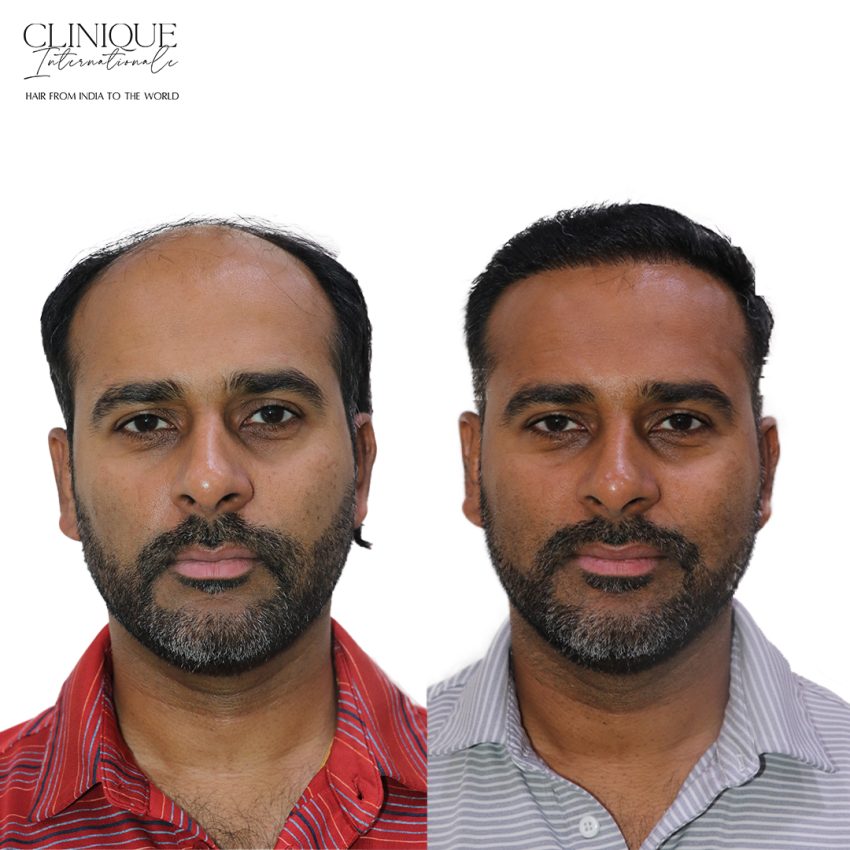
Hair loss can affect confidence and make people uncertain about their treatment options. In Solapur, conversations about hair restoration often come with questions about pain, cost, recovery and whether transplanted hair looks natural. Unfortunately, not every claim circulating online or through word of mouth is accurate.
Before choosing a hair transplant in Solapur or travelling to another city for treatment, it helps to understand what the procedure involves, what results you can reasonably expect and why individual assessment matters. Here are six common myths worth clearing up before you make a decision.
Myth 1: A Hair Transplant Is Extremely Painful
Hair transplantation is generally performed under local anaesthesia, which numbs the treatment area. The injections used to administer the anaesthetic may cause brief discomfort, and patients can experience pressure or sensations during different stages of the procedure.
After surgery, some people experience tenderness, swelling or soreness around the treated areas. These effects usually improve with time, but the experience varies depending on the individual and the procedure.
Your surgeon should explain how discomfort will be managed before, during and after treatment. Follow the prescribed medication and aftercare instructions, and contact the clinic if you experience severe or worsening pain.
Myth 2: Transplanted Hair Falls Out and Never Grows Back
Temporary shedding of transplanted hair is a common part of recovery. It can occur during the first several weeks after surgery and does not necessarily mean the transplant has failed.
The transplanted follicles may remain in place while the hair shafts shed. New growth often begins to become noticeable after a few months, although the timing varies from person to person.
Visible changes develop gradually, and many patients assess their progress over approximately six to twelve months or longer. The final outcome depends on factors such as the quality of the donor hair, the procedure, healing and individual hair-growth patterns.
Your surgeon should provide a realistic timeline for your case rather than promise a specific result by a fixed date.
Myth 3: Transplanted Hair Always Looks Artificial
A hair transplant does not have to look artificial. The appearance of the result depends on careful planning, suitable graft selection, placement and the patient’s natural hair characteristics.
An excessively low or straight hairline, inappropriate graft placement or poor consideration of hair direction can affect the overall appearance. A well-planned procedure aims to create a hairline that suits the patient’s facial proportions and age while accounting for possible future hair loss.
During your consultation at Clinique Internationale, ask how the surgeon plans the hairline, selects grafts and considers the direction and angle of hair growth. You should also ask who performs the surgical steps, including recipient-site creation and implantation.
Natural-looking results cannot be guaranteed, but careful assessment and appropriate surgical planning can help support a result that suits your individual features.
Myth 4: Hair Transplant Surgery Is Only for Film Stars and Wealthy People
Hair transplantation is available to a wider range of people than many assume, although affordability and medical suitability differ. The total cost depends on the graft count, technique, package inclusions and any additional services.
The following figures use the illustrative per-graft rates provided for this article. Confirm current prices, package details and applicable taxes directly with Clinique Internationale before making a decision.
| Package | Rate per graft | Cost for 1,200 grafts before GST | Total with illustrative 5% GST |
|---|---|---|---|
| Classic | ₹30 | ₹36,000 | ₹37,800 |
| Premium | ₹50 | ₹60,000 | ₹63,000 |
These calculations assume that the quoted rate applies to all 1,200 grafts and that GST is charged at 5%. Your actual treatment plan may require a different number of grafts, and a smaller procedure is not suitable for everyone.
Ask for a written quotation explaining the technique, pre-operative tests, aftercare products, PRP sessions, medicines and follow-up appointments included in the package. Also confirm whether any services incur additional charges.
If you prefer to divide the expense into monthly payments, enquire about available EMI options for hair transplant. Check eligibility, interest, processing fees and the total repayment amount before signing up.
Myth 5: Women Cannot Have a Hair Transplant
Some women may be suitable candidates for hair transplantation, depending on the cause and pattern of their hair loss and the availability of healthy donor hair.
However, hair thinning in women can have several causes. A clinician may recommend evaluating medical history, scalp health and possible contributing factors before considering surgery. Depending on the symptoms, investigations for iron deficiency, thyroid disorders or other conditions may be appropriate.
Medical treatment may be recommended first, particularly when hair loss is diffuse or still progressing. Transplantation may be considered for selected patients when the cause, donor supply and treatment goals support it.
Women experiencing a widening parting or persistent thinning should seek an individual assessment rather than assume surgery is either necessary or unsuitable.
Myth 6: Once the Transplant Is Done, No Further Hair Care Is Needed
A hair transplant can restore hair to selected areas, but it does not prevent every non-transplanted hair from thinning in the future. This is why long-term hair-loss management may remain important after surgery.
Depending on the patient’s condition, the clinician may recommend monitoring, suitable medication or other treatments to help manage ongoing hair loss. The choice should be based on a proper assessment and a discussion of potential benefits, risks and limitations.
PRP therapy may be offered as part of some hair restoration plans. Its effectiveness varies, and it should not be presented as a guaranteed way to improve graft survival or prevent further thinning. Ask whether PRP is appropriate for your case, whether it is included in the quoted package and whether additional sessions will cost extra.
Following your surgeon’s aftercare instructions and attending recommended reviews can help you monitor healing and discuss any concerns promptly.
What to Expect During Your First Consultation
A consultation should help you understand your options, not pressure you into booking surgery. The clinician will review your hair-loss pattern, medical history, medicines and expectations, and assess the donor area and scalp.
Depending on your circumstances, further examination or tests may be recommended before a treatment decision is made.
By the end of the consultation, you should have a clearer understanding of:
- Whether you may be a suitable candidate for transplantation.
- The approximate graft requirement and proposed treatment approach.
- The expected cost and what the package includes.
- Potential risks, limitations and realistic recovery expectations.
- Whether medical treatment or monitoring should come before surgery.
Sometimes the appropriate recommendation is to delay surgery or explore another treatment. A responsible clinician should explain the reasons and discuss the next steps with you.
Travelling From Solapur to Clinique Internationale
Patients from Solapur who are considering treatment outside the city may compare the available options in Pune and Navi Mumbai. Clinique Internationale has been associated with a centre in Baner, Pune, and its main centre in Kharghar, Navi Mumbai. Confirm the current locations, services and appointment availability directly with the clinic.
Travel time depends on your route, transport mode and traffic conditions. Check current road and rail schedules before booking, and allow enough time for consultation, surgery if recommended, and any early post-operative review required by your surgeon.
Patients from Pandharpur, Akkalkot, Barshi, Mohol and Dharashiv may also wish to compare travel arrangements. Before committing to a distant appointment, ask how follow-up care will be managed after you return home and whether remote reviews are available when appropriate.
The clinic’s current contact details and branch arrangements should be verified before you travel.
How to Choose the Right Hair Transplant Clinic
Searching for a hair transplant clinic near me or a hair transplant surgeon near me can help you identify local options, but search rankings and promotional claims are not reliable measures of clinical quality on their own.
Before selecting a clinic, ask:
- What are the treating surgeon’s qualifications and relevant experience?
- Who designs the hairline and performs the key surgical steps?
- How will the donor area be assessed and protected for future needs?
- What risks, limitations and alternatives should you understand?
- Is the complete cost provided in writing?
- What follow-up support is available after the procedure?
Be cautious of guaranteed results, pressure to book quickly or treatment recommendations based only on a high graft count.
When researching claims about the best hair transplant clinic in India or the best hair transplant surgeon in India, focus on the quality of the consultation, transparent communication, appropriate medical assessment and a clear aftercare plan. The right clinic should help you make an informed decision based on your needs rather than advertising alone.
Book Your Hair Transplant Consultation
If you are considering a hair transplant in Solapur or are willing to travel for treatment, begin by discussing your hair-loss concerns, medical history, expectations and budget with a qualified clinician.
Clinique Internationale can be contacted to enquire about consultation options, available treatment packages and follow-up arrangements. Confirm the current branch location and services before planning your visit.
Contact Clinique Internationale
- Phone/WhatsApp: +91 90821 23009
- Website: https://www.hairclinique.in/
- Locations to enquire about: Baner, Pune, and Kharghar, Navi Mumbai
A well-informed decision starts with a clear assessment, realistic expectations and a treatment plan designed around your individual needs.
Frequently Asked Questions
1. Is a hair transplant painful?
Local anaesthesia is used to numb the treatment area. The injections may cause brief discomfort, and some soreness can occur afterwards. Your surgeon will explain how discomfort is managed and what to expect during recovery.
2. How long does it take to see hair transplant results?
Hair growth is gradual. Temporary shedding may occur in the first several weeks, with new growth often becoming noticeable after a few months. Many patients assess progress over six to twelve months or longer, depending on their individual response.
3. What is the hair transplant cost for 1,200 grafts?
Using the illustrative rates in this guide, 1,200 grafts would cost ₹37,800 for Classic or ₹63,000 for Premium, assuming 5% GST. Confirm the current prices, graft estimate and package inclusions directly with the clinic.
4. Can women undergo hair transplantation?
Some women may be suitable candidates. The cause and pattern of hair loss, donor availability and overall scalp health must be assessed before surgery is considered.
5. Is PRP necessary after a hair transplant?
PRP is not necessarily required for every patient. Its suitability and potential benefits vary, so discuss the evidence, package inclusions and additional costs with your clinician.