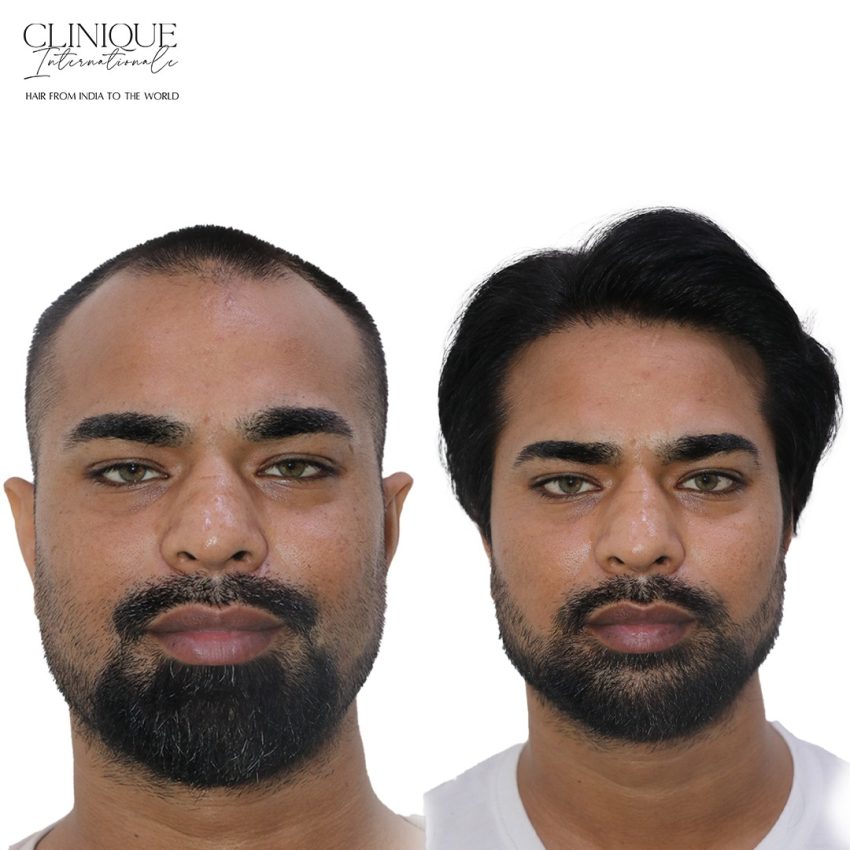
Wadala is an important transport hub in Mumbai, with Harbour Line railway connectivity, the monorail and access to several parts of the city. For residents noticing increased hair shedding or a gradually thinning scalp, understanding the cause is an important first step. At Clinique Internationale, founded by Hair Transplant Surgeon Dr. Bhavesh Gupta, patients are assessed before a treatment plan is recommended.
A Hair Transplant in Wadala may be suitable for people experiencing certain types of permanent hair loss, particularly pattern hair loss. However, not every type of shedding requires surgery. Stress, illness, nutritional deficiencies and hormonal conditions can also affect hair growth and may need a different approach.
Hair grows in a natural cycle involving growing, transitional and resting phases. Temporary changes in this cycle can cause increased shedding, while conditions such as androgenetic alopecia may gradually shrink hair follicles. Identifying the underlying cause helps determine whether medical treatment, supportive therapies or a hair transplant may be appropriate.
Clinique Internationale offers hair restoration options for men and women. Depending on the assessment, the treatment plan may include non-surgical options or Sapphire FUE hair transplantation. The surgeon evaluates the scalp, donor area and pattern of hair loss before discussing suitable treatments.
For anyone considering a Hair Transplant in Wadala, an accurate diagnosis can help avoid unnecessary procedures and support more appropriate treatment planning. This guide explains common causes of hair loss, diagnostic steps, available treatments and cost considerations.
Wadala to Kharghar
Wadala Road station is on the Harbour Line, and patients can consider a Panvel-bound local train to reach Kharghar. Road travel is another option, depending on traffic and personal convenience.
Kharghar is also connected through the Navi Mumbai Metro and Sion–Panvel Highway. Patients should check current train schedules and road conditions before planning their visit to Clinique Internationale.
The Hair Growth Cycle in Brief
Every hair follicle moves through three main stages:
- Anagen – Growing Phase: Hair actively grows during this stage, which can last several years on the scalp.
- Catagen – Transitional Phase: This is a short stage lasting a few weeks, when active growth slows and the follicle prepares to rest.
- Telogen – Resting Phase: Hair remains in a resting stage for around three months before the old strand sheds and a new growth cycle begins.
Losing some hair every day is normal because follicles are at different stages of the cycle. However, noticeable thinning or increased shedding may occur when too many follicles enter the resting phase together or when follicles gradually become smaller, as seen in pattern hair loss.
Common Causes of Hair Loss
Hair loss can develop for several reasons. Identifying the likely cause is important because treatment depends on the underlying condition.
| Cause | What It Usually Looks Like | Is a Transplant an Option? |
|---|---|---|
| Pattern hair loss (genetic) | Receding temples, thinning crown or widening part | May be suitable if donor supply and other factors are favourable |
| Stress or illness | Sudden, widespread shedding | Usually not the first option; the underlying cause should be assessed |
| Nutritional issues | Diffuse thinning or increased shedding | Addressing the deficiency is generally considered first |
| Thyroid or hormonal problems | Thinning across the scalp | The underlying condition should be evaluated and managed |
| Patchy hair loss (alopecia areata) | Round or irregular bald patches | Generally requires specialist assessment before considering surgery |
| Scarring conditions | Areas of hair loss with visible scalp changes or scarring | Requires specialist assessment |
This table provides general information only. A scalp examination and medical history are needed to identify the cause of hair loss and determine an appropriate treatment.
Why Shedding Often Starts Months Later
A high fever, surgery, restrictive diet or significant stress can sometimes push more hair follicles than usual into the resting phase. This type of temporary shedding is known as telogen effluvium.
Because the resting phase lasts around three months, hair shedding may become noticeable several weeks or months after the triggering event. This delay can make it difficult to connect the hair loss with its original cause.
In many cases, shedding improves after the underlying trigger has been addressed. However, persistent or significant hair loss should be evaluated by a qualified medical professional. This is one reason a surgeon may recommend identifying and managing the cause before considering a transplant.
How the Cause Is Found
A consultation helps determine why hair loss is occurring and whether a transplant is appropriate. The assessment may include:
- Reviewing your medical history and the duration of hair loss.
- Examining the scalp and identifying the pattern of thinning.
- Assessing donor hair density and availability.
- Asking about recent illness, stress, medication or dietary changes.
- Recommending blood tests or a specialist referral if another medical cause is suspected.
If the assessment suggests pattern hair loss and the donor area is suitable, a transplant may be discussed. If another condition is contributing to the shedding, treating that cause may be the more appropriate first step.
Treatments Beyond Surgery
Clinique Internationale offers hair restoration options beyond transplantation. Depending on the cause and extent of hair loss, your hair transplant surgeon may discuss the following treatments:
- PRP Therapy
- Platelet-rich plasma is prepared from a sample of the patient’s own blood.
- It may be considered as a supportive option for selected cases of thinning hair.
- GFC Therapy
- Growth factor concentrate is prepared from the patient’s blood using a specialised kit.
- It may be discussed as another supportive treatment for suitable patients.
- Low-Level Laser Therapy
- This treatment uses low-level light directed at the scalp.
- It may be considered as part of a hair restoration plan for selected patients.
- Vitamin and Topical Therapy
- Nutritional deficiencies may need to be addressed when they contribute to hair loss.
- Topical treatments may be recommended depending on the scalp condition and diagnosis.
These treatments are generally considered for suitable cases where hair is thinning and follicles may still be active. They cannot reliably restore hair in areas where follicles are no longer producing hair. Your surgeon can explain the expected benefits and limitations of each option.
If a Transplant Is Right for You
If the assessment confirms that a transplant is suitable, Clinique Internationale uses the Sapphire FUE technique. Individual follicles are extracted from the donor area, usually around the back and sides of the scalp, and placed into selected areas with reduced hair density.
The surgeon plans the hairline, recipient sites and graft distribution according to the patient’s facial proportions, hair characteristics and donor supply. Sapphire blades are used to create the recipient sites as part of the procedure.
The outcome depends on several factors, including donor hair quality, the extent of hair loss, graft survival and individual healing. A consultation helps establish realistic expectations and determine the appropriate treatment plan.
Why a Diagnosis-First Clinic Matters
Choosing a clinic that evaluates the cause of hair loss before recommending surgery can help patients make more informed decisions.
- Assessment before treatment: Clinique Internationale evaluates the scalp and hair loss pattern before discussing a procedure.
- Surgical and non-surgical options: Patients can discuss different approaches depending on the cause and extent of hair loss.
- Clinical experience: The clinic reports more than ten years of experience in hair restoration and over 10,000 patients treated.
- Per-graft pricing: Published rates help patients understand the estimated cost if transplantation is recommended.
A diagnosis-first approach is particularly important when hair loss may be temporary or linked to an underlying medical condition.
Choosing Among Hair Transplant Clinics in Mumbai
When comparing hair transplant clinics in Mumbai, patients should consider more than the procedure price or promotional claims. The best hair transplant surgeon in Mumbai for your needs should take time to understand the cause of hair loss and explain the available treatment options.
Consider asking the clinic:
- Will the cause of my hair loss be assessed before surgery?
- Could a medical condition or nutritional issue be contributing to the shedding?
- Would non-surgical treatment be more appropriate?
- Is my donor area suitable for transplantation?
- What follow-up care will be available?
The best hair transplant clinic in Mumbai should explain when surgery is appropriate and when another treatment or further assessment is needed. In some cases, the best hair transplant in Mumbai is a procedure that can wait until the cause of hair loss is better understood.
Cost and EMI
The Hair Transplant Cost in Mumbai at Clinique Internationale is calculated according to the number of grafts required and the selected procedure. The clinic’s stated rates are:
| Procedure | Rate |
|---|---|
| Classic Sapphire FUE | ₹30 per graft |
| Premium Direct Implantation | ₹50 per graft |
Both rates are subject to 5% GST.
For example, a procedure involving 2,600 grafts would cost:
- Classic Sapphire FUE: ₹78,000 before GST, or ₹81,900 including 5% GST.
- Premium Direct Implantation: ₹1,30,000 before GST, or ₹1,36,500 including 5% GST.
As stated in the clinic’s package details, the procedure package includes pre-surgery tests, a PRP-assisted head wash after the procedure and hair growth products for three months. Non-surgical treatments are quoted separately after consultation.
The final estimate depends on the treatment plan and graft count confirmed during assessment. Eligible patients can also ask about hair transplant EMI options in Mumbai, subject to the applicable financing terms and approval.
After the Procedure
Hair transplant post care in Mumbai involves following the surgeon’s instructions during the initial healing period and attending scheduled reviews. The aftercare plan may include:
- Gentle scalp washing according to the clinic’s instructions.
- Guidance on sleeping position during the first few nights.
- Advice on protecting the grafts and surrounding native hair.
- Avoiding activities or headwear that may disturb the recipient area until cleared.
- Follow-up visits to monitor healing and hair growth.
The recovery process varies between patients. Following the instructions provided by the treating surgeon is important for appropriate aftercare.
Wadala FAQs
1. Can stress cause permanent hair loss?
Stress-related shedding, such as telogen effluvium, is often temporary. However, persistent thinning may have another cause, so a medical assessment is useful.
2. Do I need blood tests to find the cause of hair loss?
Not everyone needs blood tests. Your doctor may recommend them if your history or examination suggests a nutritional, thyroid or other medical issue.
3. Can a hair transplant fix patchy hair loss?
Patchy hair loss can have several causes, including alopecia areata. A specialist assessment is important because transplantation is generally not the first treatment for this condition.
4. How long does it take to see results after a hair transplant?
New growth commonly begins after a few months, with results developing gradually over the following months. Many patients assess their outcome around 10–12 months, although individual timelines vary.
5. Will PRP therapy help with stress-related hair shedding?
Stress-related shedding may improve when the underlying trigger is addressed. PRP is not automatically necessary; your doctor can assess whether it is appropriate for your condition.
6. How much daily hair loss is normal?
Some daily hair shedding is part of the normal growth cycle. Sudden heavy shedding, visible thinning or persistent hair loss should be discussed with a medical professional.
Find Out the Cause
If you are experiencing hair thinning or increased shedding and considering a Hair Transplant in Wadala, start with an assessment to understand what may be causing it. Clinique Internationale can help you discuss suitable treatment options, whether surgical or non-surgical.
You can contact the clinic to arrange a consultation. Sharing clear scalp photographs and a brief history of your hair loss may help the team guide you on the next steps.
Contact Information
Call Us: +91 9082123009