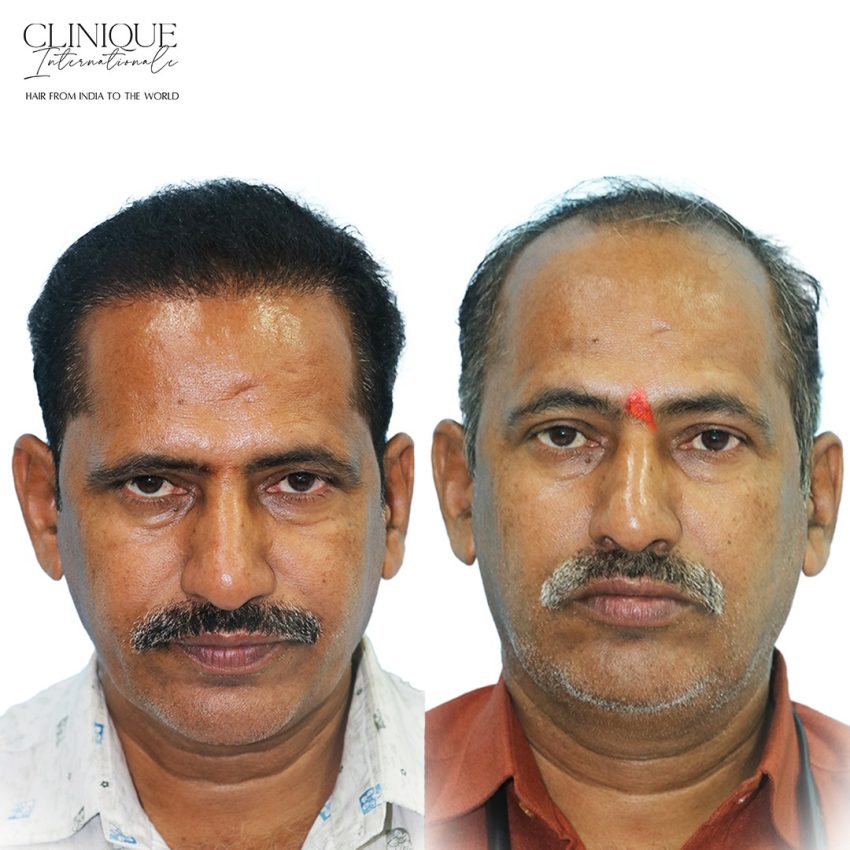
When comparing hair transplant methods, the way donor follicles are collected can influence the surgical plan, recovery considerations and appearance of the donor area. A FUT hair transplant, also called Follicular Unit Transplantation, uses a strip of scalp tissue from the donor region. This strip is carefully divided into individual follicular units before they are placed in the recipient area.
Although FUE is another established technique, FUT remains an option for selected patients because its harvesting method may suit particular donor-area characteristics and surgical requirements. Understanding how the strip technique works can help you prepare for a hair transplant consultation.
How Does a FUT Hair Transplant Procedure Work?
FUT involves removing a carefully planned strip of scalp tissue, usually from the back of the head. The surgical team then separates the strip into individual follicular units under magnification.
These units are prepared for transplantation into the areas being treated. The donor incision is closed by the surgical team, generally leaving a linear scar.
The procedure involves several stages:
- Donor-area assessment: The surgeon examines hair density, scalp flexibility and the available donor region.
- Strip harvesting: A suitable strip of scalp tissue is removed from the planned donor area.
- Follicular-unit dissection: The strip is divided into individual follicular units under magnification.
- Recipient-site preparation: The surgeon plans the placement according to the required direction, angle and distribution.
- Graft placement: The prepared follicular units are placed into the recipient area.
Each stage requires careful planning and handling. The harvesting method is only one part of the overall surgical procedure.
Why Is FUT Hair Transplant Considered for Selected Patients?
FUT is not suitable for every patient, but it remains a recognised option in hair restoration. Its suitability depends on the donor area, scalp characteristics, treatment requirements and personal preferences.
A surgeon may consider several factors:
Donor hair density: The number and quality of available follicles influence the options for harvesting and restoration.
Scalp laxity: This describes how easily the scalp tissue can be moved. It is important because the surgeon needs to assess whether a strip can be removed and the incision closed appropriately.
Hair-loss pattern: The surgeon considers the areas that currently need attention and the possibility of future thinning elsewhere.
Previous procedures: Earlier transplant surgery or existing donor-area scars may influence the available options.
Personal hairstyle preferences: Someone who prefers very short hair should understand how the linear donor scar may affect the appearance of the scalp.
These factors help determine whether FUT is appropriate or whether another technique should be considered.
How Are Grafts Prepared During FUT Hair Transplantation?
After the strip is collected, it is examined and divided into naturally occurring follicular units under magnification. These units may contain one or more hair follicles.
Careful dissection helps preserve the follicular structures during preparation. The grafts are then placed into the recipient area according to the planned direction, angle and distribution.
This preparation stage is an important part of the procedure. The overall surgical plan and careful handling of the grafts matter, not simply the method used to collect donor tissue.
What Should You Know About the Linear Donor-Area Scar?
A key factor to keep in mind with FUT is the straight-line scar that remains in the donor area.
Its final appearance varies with individual healing, scalp characteristics, surgical technique and wound closure. Hair length also influences how visible it may be.
People who prefer very short hairstyles should discuss this before choosing the procedure. The surgeon can explain the expected donor-area appearance and whether the technique aligns with their preferences.
It is important to have realistic expectations: the scar does not disappear completely, and its visibility cannot be predicted precisely for every individual.
FUT vs FUE: What Is the Practical Difference?
Both FUT and FUE are established hair transplantation techniques, but their donor-harvesting methods differ.
| Consideration | FUT | FUE |
| Donor harvesting | A strip of scalp tissue is removed | Individual follicular units are extracted |
| Donor-area scarring | Generally leaves a linear scar | Leaves multiple small extraction scars |
| Scalp assessment | Scalp laxity is an important consideration | Donor density and extraction suitability are important considerations |
| Hair length | Linear scar may be more visible with very short hair | Scar visibility depends on extraction and healing |
| Suitability | Depends on donor and scalp characteristics | Depends on donor characteristics and extraction suitability |
Neither technique is universally better. FUT and FUE have different surgical considerations, and the appropriate method depends on the patient’s donor area, treatment goals, preferences and the surgeon’s assessment.
What Is Recovery Like After FUT?
Because FUT involves an incision in the donor area, recovery instructions include care of the closed incision as well as the recipient area.
The surgical team may guide scalp hygiene, washing, activity and follow-up visits. Follow-up also allows the team to assess how the donor incision and recipient area are healing.
Patients should follow the instructions provided for their procedure rather than relying on general advice intended for a different technique. Healing varies between individuals. If you have concerns about the incision or recovery, contact the treating clinic for guidance.
Why Is Long-Term Donor Planning Important?
Donor hair is limited, so it needs to be allocated carefully. A hair transplant plan should consider the current areas of thinning as well as the possibility of future changes.
The surgeon evaluates donor density, hair characteristics, existing loss and possible future restoration requirements before recommending a technique.
For some patients, FUT may be appropriate as part of their restoration plan. Others may be better suited to FUE or a different approach. The decision should be based on individual assessment rather than a general claim that one method is better.
Discuss FUT and FUE Hair Transplant Options in Shirdi
Choosing between FUT and FUE involves more than comparing the harvesting methods. Donor-area suitability, expected scarring, hairstyle preferences and long-term restoration needs should all be considered.
If you are exploring a FUT hair transplant, arrange a consultation at Clinique Internationale Shirdi to discuss your requirements and have your donor area assessed.
You can also review the clinic’s hair transplant surgery service and discuss suitable options with Dr Pranay K. Thakur.
Frequently Asked Questions
1. What does FUT stand for in hair transplantation?
FUT stands for Follicular Unit Transplantation. It involves collecting a strip of scalp tissue from the donor area and separating it into individual follicular units for transplantation.
2. Does FUT leave a permanent scar?
FUT generally leaves a linear scar in the donor area. Its appearance varies with individual healing, scalp characteristics and surgical factors. It does not disappear completely.
3. Is FUT suitable for everyone?
No. Suitability depends on donor density, scalp laxity, medical history, existing hair loss and personal preferences. A surgeon needs to assess these factors before recommending the procedure.
4. Is FUT better than FUE for hair transplantation?
Neither method is universally better. FUT and FUE have different harvesting methods and considerations. The appropriate choice depends on individual suitability and the surgical plan.
5. How long does recovery take after FUT?
Recovery varies between individuals. The surgical team provides instructions for donor-area care, scalp hygiene and follow-up based on the procedure.